5 Common Fabrication Mistakes and How to Avoid Them
Summary: Most fabrication failures don’t come from bad welds.
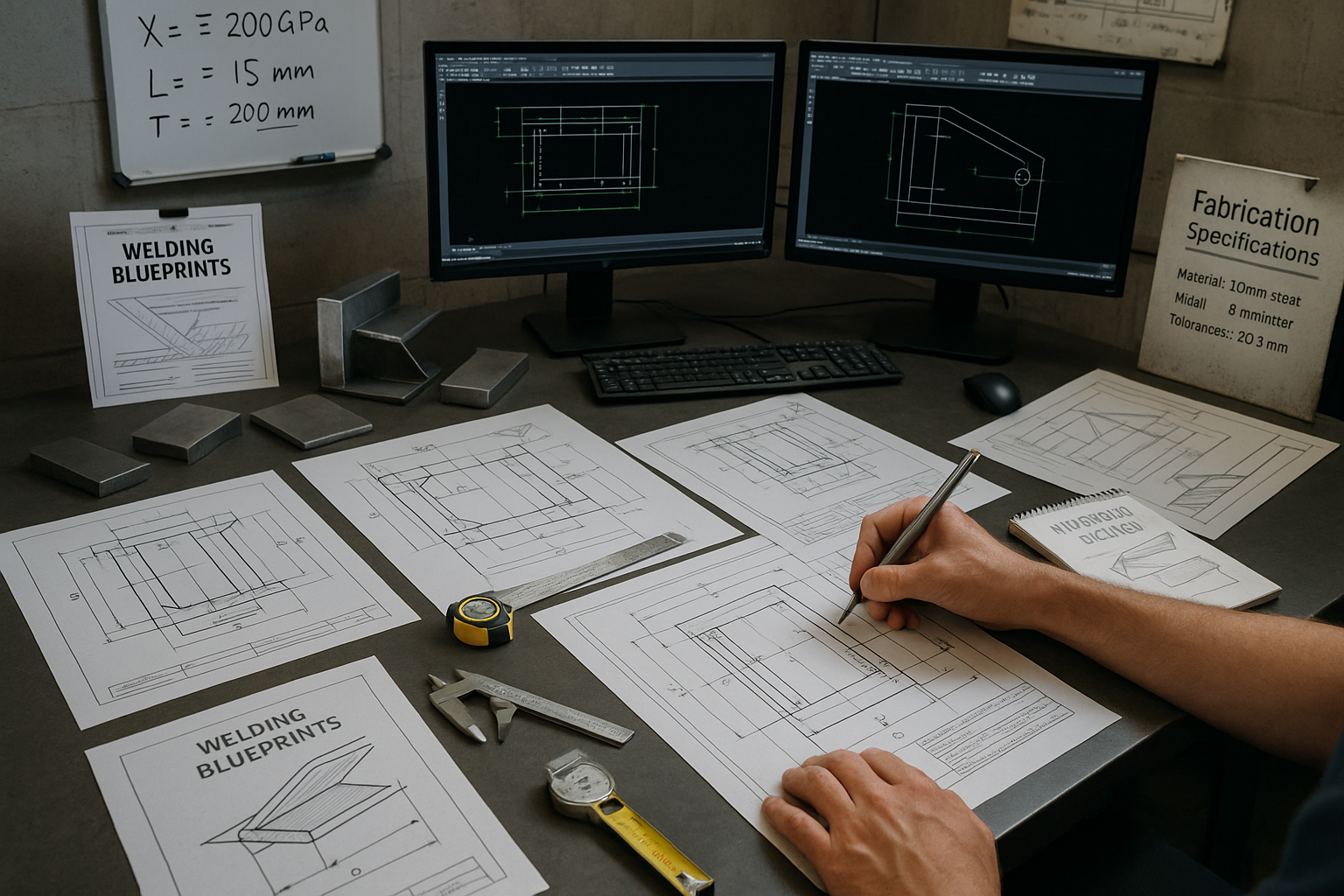
They come from decisions made before the first cut is made.
These are some of the most common mistakes seen across fabrication shops — whether it’s trailers, trays, brackets, or structural gear — and how they can be avoided.
1. Not accounting for heat distortion
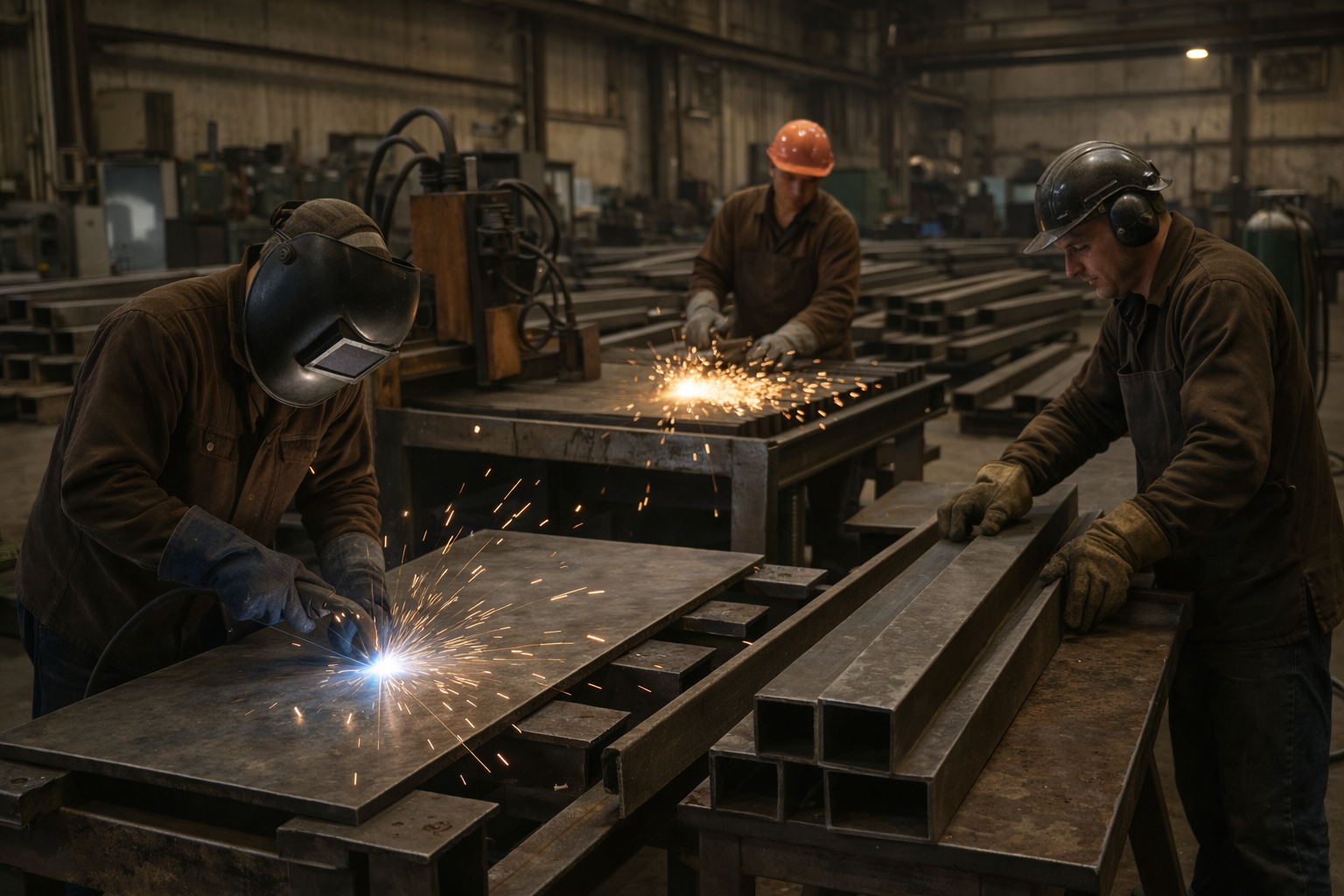
Steel moves when it’s welded. There’s no way around it.
If a design doesn’t allow for heat movement, things will pull, twist, and warp.
What it causes
-
Panels that no longer sit flat
-
Holes that no longer line up
-
Frames that twist out of square
How to avoid it
-
Stitch weld instead of running long beads
-
Alternate weld locations
-
Clamp and fixture properly
-
Allow parts to cool between passes
2. Welding everything “solid” instead of allowing movement
Over-welding and fully locking parts together is a common cause of cracking — especially on off-road and vibration-heavy gear.
What it causes
-
Cracks around welds
-
Broken brackets
-
Fatigue in high-stress areas
How to avoid it
-
Use slots instead of round holes where movement is expected
-
Add relief gaps
-
Let parts float where vibration exists
3. Poor joint design
Strong welds don’t fix weak joints.
If the load path is wrong, the steel will fail no matter how good the bead looks.
What it causes
-
Cracks at weld toes
-
Stress concentration
-
Weak mounting points
How to avoid it
-
Use gussets instead of thicker plate
-
Avoid sharp internal corners
-
Design for load flow, not just appearance
4. Using the wrong material for the job
Not all steel behaves the same. Choosing the wrong grade or thickness leads to brittle parts, corrosion, or premature failure.
What it causes
-
Cracking
-
Rust
-
Structural weakness
How to avoid it
-
Use structural-grade steel for frames
-
Use appropriate aluminium grades where required
-
Match materials to the environment (dust, moisture, vibration)
5. Ignoring real-world tolerances
Nothing is ever perfectly square.
Designing parts that only work in a “perfect” world is one of the fastest ways to create frustration in the workshop.
What it causes
-
Parts that don’t fit
-
Holes that miss
-
Assemblies that fight each other
How to avoid it
-
Use slotted holes
-
Build in adjustment
-
Design with realistic tolerances in mind
Why this matters
Most fabrication problems are not welding problems —
they’re design problems.
That’s why Iron Outback focuses on building systems, not just drawings.
We solve the hard parts in the design stage so the fabrication stage is simpler, cleaner, and more predictable.
Good fabrication starts before the welder ever turns on.

Written by Iron Outback Team